Every file that comes through this practice is read by a person, line by line, the way a committee reads it.
Now reading files for the Fall 2027 cycle
Private mentorship.
Public results.
One company across the whole arc: the LSAT, the application, the first year of law school, and the job at the end of it. A small number of students are taken personally. Everyone else works the same method on their own.

Most recent cohort, Aug–Dec 2024, n = 36 · at least six weeks enrolled, two check-ins a week · medians published with dates and cohort size, never anecdotes
Where are you right now?
Six vendors across seven years, and every handoff drops something.
The Arc
One company from the first
practice test to the offer.
Five stages, one record. Click one and see what it hands the next.
The system behind the practice
Introducing the Lovare OS™
The agentic operating system for future lawyers.
One record · Seven years · Free to law students through their school
Ten of them, and not one asks for an email before it tells you anything.
Free tools
Find out where you stand
before you talk to anyone.
A calculator can tell you your position. It cannot read your file, which is the part we actually sell. So none of this is held back.
Most students assemble six vendors across seven years. This is the alternative.
The practice
Admission is not luck.
It is strategy, executed early.
An engagement begins with the narrative, not the essay. We find the argument your file is actually making, then build every piece around it: the personal statement across as many drafts as it takes, the supplements, the resume, the school list, the scholarship position, the interview, and the negotiation on decision day.
Files go in as early in the cycle as they can be made ready. That single decision moves more admissions and more money than anything else on the list.
The practice is deliberately small. Ali reads every file personally, which is the constraint that makes the rest of it possible.
Two people on every file. Not a matched associate, not a rotating coach.
Led by
The two people who will be on your file.
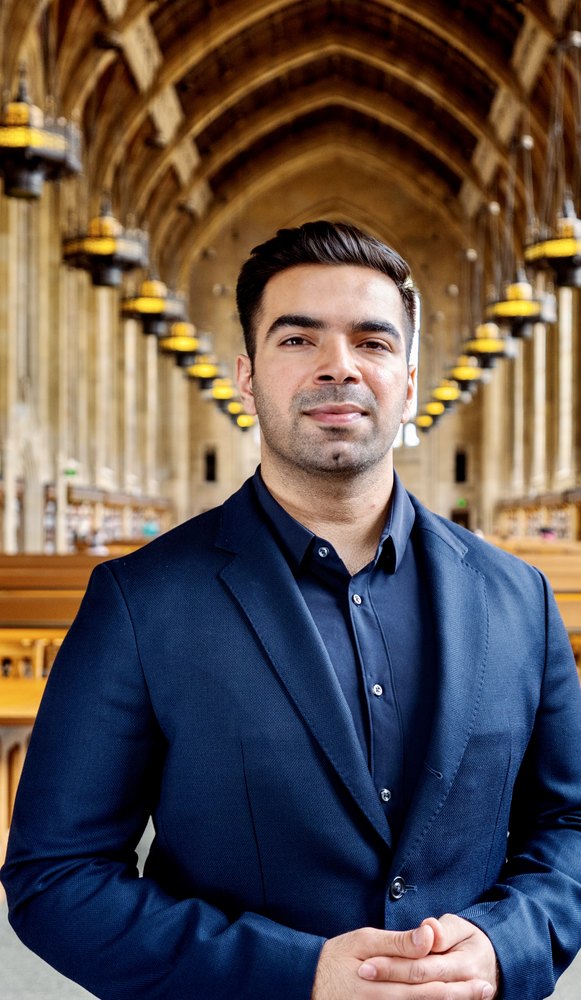
Georgetown Law JD and MSFS. Built the practice from a single tutoring chair in 2022 to more than 700 students, entirely by word of mouth. Reads every file.
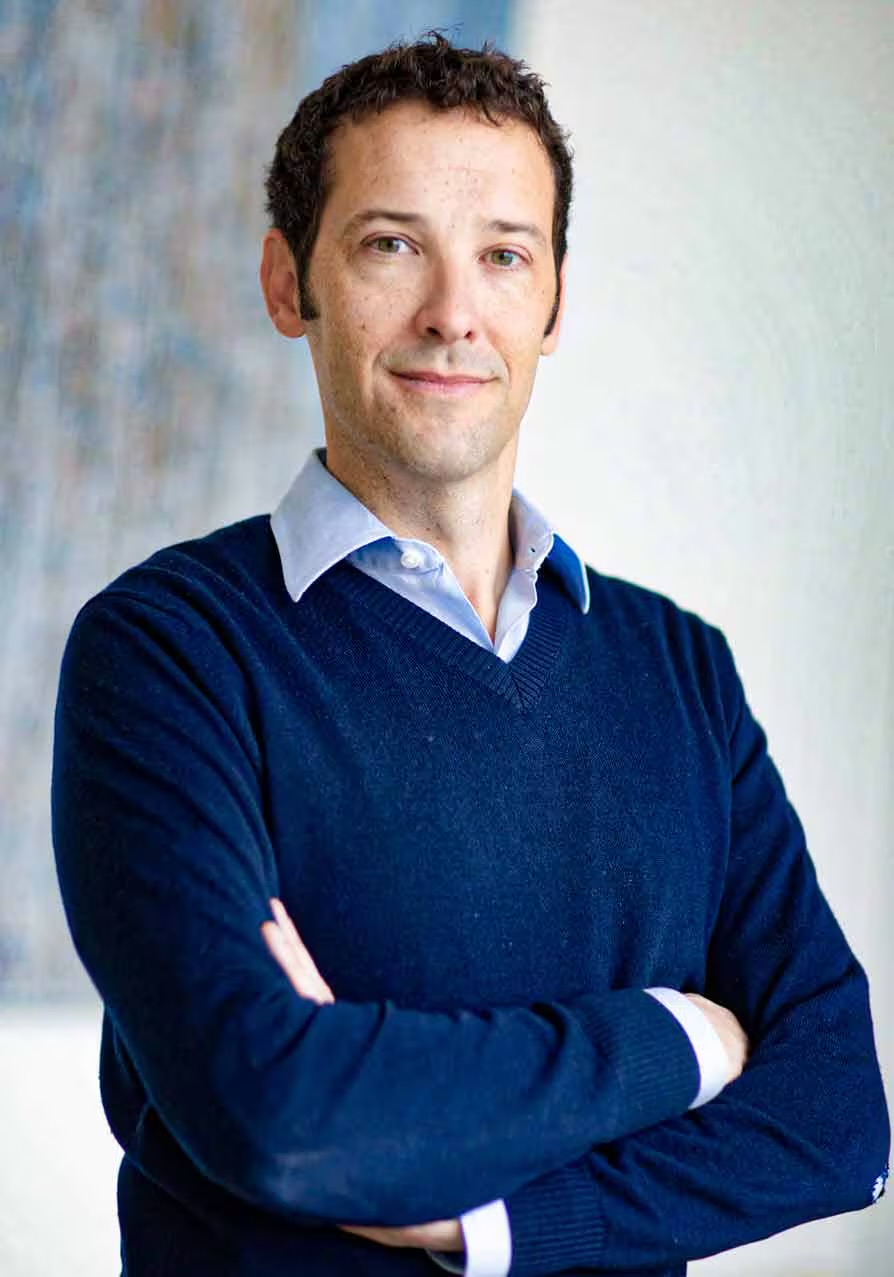
Former partner at Husch Blackwell. Advises on what the degree is actually for: the summer, the offer, and the practice group you end up in.
Nobody loses forty points because they forgot the rule. They lose them on the clock.
%20%20-%20.jpeg)
Research
The score is rarely a
knowledge problem.
Students plateau with the material already learned. What moves on test day is what the pressure does to a person: the timing, the second guessing, the question they abandon and think about for the next twenty minutes.
Lovare runs an IRB approved study with Dr. Ian Lyons of Georgetown's Department of Psychology on test anxiety and LSAT performance. It is real research with a real protocol, not a wellness page, and what it produces goes directly into how students are coached and into how the platform is built.
Named, then trained
A student who knows their pattern under pressure can rehearse against it. One who does not simply hopes for a good day.
Built into the work
Timing discipline, review habits, and recovery after a bad section are taught as skills, on the same footing as the logic.
Where it stops
This is performance coaching and academic research. It is not therapy, and we say so plainly to every student who asks.
The method, without the chair.
The platform
We take a small number of clients.
Everyone else can have the system.
The rubrics, the reader profiles, the diagnostic, and the drills that run inside this practice are built into a platform students can work on their own. Same method, same standards, same refusal to tell you something is fine when it is not. It is not the chair, and it is not sold as one.
Paste your opening line.
One read, no accountThe first two sentences of your personal statement are the only ones a reader is guaranteed to finish. Put them here and see what a reader would stop on.
Nothing is stored unless you ask us to. One read per visitor.
Before anything else, we find out what is actually costing you points.
Start with an honest position.
The diagnostic reads how you actually work a section, not just what you scored. It returns the pattern you fall into under time, the areas carrying the most recoverable points, and the order to fix them in.
Changes a correct answer to a wrong one more often than the reverse. Loses time on the return pass, not the first.
It marks the sentence, and then it says why.
I have always been passionate about justice. Ever since I was young, I knew I wanted to help people who could not help themselves. The first eviction notice I translated for my mother was in a language she had signed without reading.
Two sentences, no scene, no cost to you. A reader has seen this opening four hundred times this cycle and cannot tell your file from the next one.
Feedback that names the reason.
Most tools tell a student their essay is strong. This one marks what a reader would stop on, replaces it, and explains what the original cost. The rubrics come from five years of real files, including the cycles that ended in rejection.
Better to hear it in August than in March.
The verdict before the committee gives it.
Your file goes in front of a simulated reader built on those same profiles and comes back with a call and the reasoning behind it. Students find out what a committee would say while there is still time to change it.
Not a reject. Not yet a yes.
A whole semester, no homework, no quizzes, no feedback, and then one exam decides the year.
For law students
Law school tells you nothing
until it is over.
Every 1L takes the same subjects, and every professor tests them differently. So the work is not generic outlines. It is reading the professor you actually have, then practising against how that person marks. Open free to law students through their school.
Your professor, not a generic course.
Upload the syllabus. You get back what this professor emphasises, what recurs on their past exams, what format the exam actually takes, and a dated plan built from your own class calendar. Every claim shows the line it came from.
Where a topic is not clear, it gets explained in plain words with a real analogy, and the legal term stays on screen next to it.
Three hours, open book, two fact patterns. Six past exams read.
Then the part the grades are for.
There is no national recruiting date any more. Every school sets its own, and most students are working from advice that expired in 2018. You get your school's actual window, the firms that genuinely run a first year programme, the applications drafted employer by employer, and the people you have spoken to kept in one place so a letter can name them.
Brian ran that side of a firm from the inside, which is why this exists at all.
This is what the work actually looks like. Everything above is a description of it.
A worked example
One file, from the first read
to the offer.
A strong record making a weak argument.
Numbers inside the band at every school on the list. A statement in its second draft. A school list built from a ranking table and nothing else. An unexplained year between graduation and the first job that the file simply did not mention.
I have always been passionate about justice. Ever since I was young, I knew I wanted to help people who could not help themselves.
Three places a reader stops.
Two sentences, no scene, nothing that costs the writer anything. A reader who has been at this since September cannot tell this file from the one underneath it.
Left unexplained, a reader fills the gap in themselves, and they rarely fill it generously. Explained in four sentences without apology, it stops being a question.
Every target sits where the numbers are ordinary. Nothing on the list is a school where this record is well above median, which is where scholarship money actually comes from.
The argument the file was already making.
The statement was rebuilt around one afternoon that actually happened, then cut back across four more passes until every paragraph earned its place. The addendum went in plain and short. Four schools came off the list and three went on, chosen because the record sits above their medians rather than inside them.
The first eviction notice I translated for my mother was in a language she had signed without reading.
Submitted in the first two weeks the cycle was open.
Early is not a preference. It is the cheapest advantage in the process and the one most applicants give away.
Illustrative. Replace with a real file and written consent before publishing.
Verified offers, not applications.
Where students land
Yale · Stanford · Harvard · Chicago · Columbia · NYU · Penn · Virginia · Michigan · Berkeley · Duke · Northwestern · Cornell · Georgetown
Our vision
The pipeline decides who becomes a lawyer.
Seven years separate a first practice test from a first offer, and almost nobody walks it with the same person twice. A test prep company, then a consultant, then an outline publisher, then a career office, then a bar course. Five industries, and not one of them knows what the last one learned about you.
That handoff is where the cost sits, and it falls hardest on the students who did not arrive already knowing how any of this works. The ones with a lawyer in the family get told which parts matter. Everybody else pays five times to be told five different things.
What we are building is one record that runs the whole way. What you did on the LSAT should shape what your application claims about you. What your application claimed should still be legible when you are choosing a section, and what you were good at in first year should be what a cover letter names.
The paid thing is still a person reading a file, and it should be. A system can tell you where you stand. It cannot tell you what to do about it, and it will never sit on a call and say the honest thing when the honest thing is to wait a year.
Worked personally
The practice
A small number of students each cycle, taken end to end by Ali and Brian. Begins with a consult and a read on where you actually stand. Limited by how many files one person can read properly.
Request a private consultApplying on your own
The platform
The same diagnostic, rubrics, reader profiles, and drills, available without the chair. For students running their own cycle who still want to be told the truth about the file.
See the platformAlready in law school
Exams and jobs
Read your professor, prepare for the exam they actually set, and get through recruiting with the applications drafted. Open free to law students through their school.
Start with your syllabusAli takes these calls himself.
Request a private consult
Tell us where you are in the cycle.
Thirty minutes, no cost, no pitch deck. You will leave with a read on your position and the two or three moves that matter most from here, whether or not you work with us.