Columbia Law reviews applications on a rolling basis from October through February. Timing is a real lever. Here is the framework, score bands, and “Why Columbia” template.
Introduction Columbia Law School stands out as one of the world’s leading law schools, combining rigorous academics with real-world impact. Situated in the heart of New York City, it gives students direct exposure to top law firms, global organizations, and the fast-paced world of corporate and international law. With its dynamic environment and strong professional network, Columbia prepares students not just to study law, but to shape it.
TUITION
$78,000
ACCEPTANCE RATE
12%
CLASS SIZE
400
MEDIAN LSAT
173
MEDIAN GPA
3.88
How to Get Into Columbia Law School
Columbia Law School has a median LSAT of 174, a class of approximately 400 students, and an acceptance rate around 16%. It operates rolling admissions from October through February. That last fact is the most operationally important thing about applying to Columbia, and most applicants treat it as a footnote.
Two common applicant profiles:
Example A (stats-ready, submitting too late): 3.91 GPA + 173 LSAT, strong resume, generic “Why Columbia” essay, submitted January 28. Your file is competitive. But Columbia’s rolling process means you are now competing against a pool that has been accumulating since October, and the earlier, higher-yield decision windows have already moved. This is a fixable problem with a specific solution: submit when your file is ready, not when the deadline is approaching.
Example B (below-median LSAT, NYC-track): 3.88 GPA + 171 LSAT, 4 years in financial services, specific corporate law thesis, “Why Columbia” essay that makes a specific argument about the LRAP and its role in a hybrid Big Law / public interest career. Submitted October 19. This file gets a different decision than the same profile submitted February 1. Rolling admissions rewards execution.
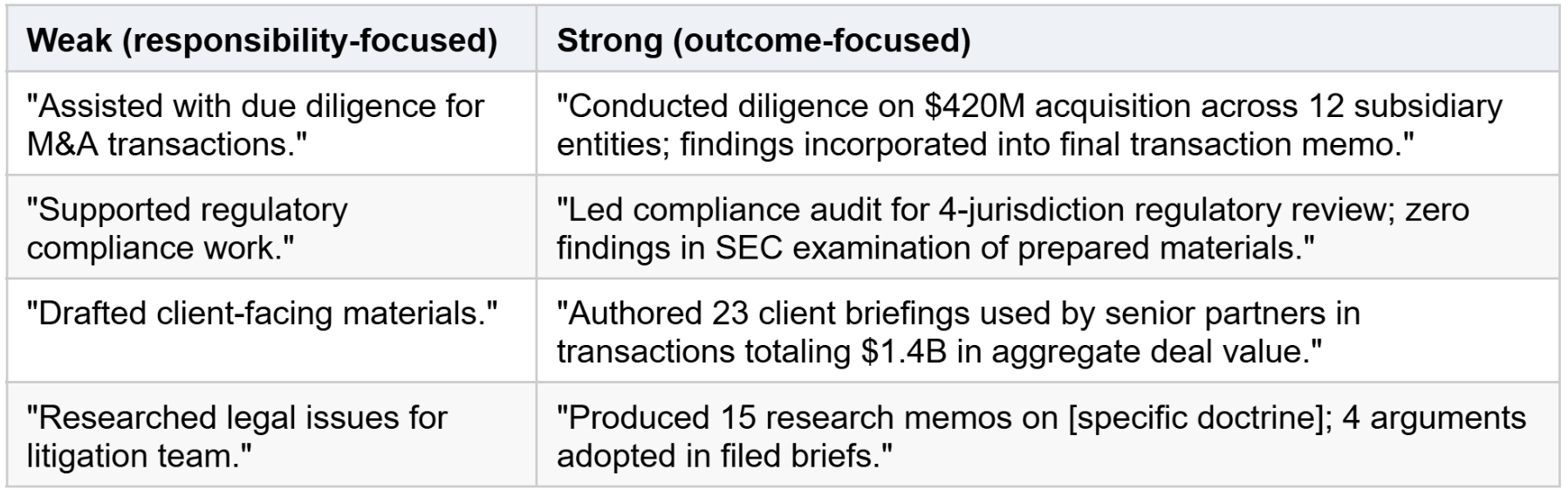
Here is what a finished Columbia-ready application looks like: your LSAT is at 171 or above, your “Why Columbia” essay makes a specific causal argument (not a promotional tour), your resume demonstrates outcomes rather than responsibilities, and your file is submitted early enough to benefit from rolling review.
FEATURED SNIPPET
To get into Columbia Law, position your LSAT at 172 or above, submit as early as your file is genuinely complete (Columbia uses rolling admissions from October through February), and write a “Why Columbia” essay that makes a specific causal argument—not a list of clinics and faculty names.
Your Columbia Scorecard
RULE
Rolling admissions at Columbia is not a figure of speech. Earlier submissions receive more favorable review conditions. A file that is genuinely ready in October belongs in October, not January.
Who This Is For
You are targeting Columbia specifically—not as a fallback, but as a deliberate first choice for NYC-track or Big Law-track careers.
You want to understand how rolling admissions affects submission strategy.
You have an LSAT at or above 170 and need a framework for the “Why Columbia” essay.
You are a working professional in finance, consulting, or business and need a framework for translating that background into a law school argument.
You are deciding between Columbia and NYU as your New York option.
Not for you if: your LSAT is below 168 and you have no retake plan, or you want to understand Columbia as a backup rather than a target.
Setup: Columbia Law in Numbers
Now connect that to process: Columbia reviews applications as they arrive. This is not a formality—it is a structural reality. Decision rates are higher earlier in the rolling cycle because the admitted pool is smaller and the committee has more room to move. Files submitted in October are reviewed against a pool of hundreds. Files submitted in February are reviewed against a pool of thousands.
RULE
You do not “interpret” Columbia’s rolling process. You build your application timeline backward from your target submission date—and that date should be in October or early November, not February.
What Columbia Is Actually Selecting For
Columbia processes roughly 9,000 applications for 400 seats. Its admit rate of 16% is the most accessible in the T6—but the GPA 25th percentile of 3.76 and LSAT 25th percentile of 171 define a real floor. The committee is evaluating three specific dimensions:
Academic capacity: Can this person handle Columbia’s curriculum and contribute to classroom discussion? LSAT and GPA are proxies.
Career intentionality: Does this person have a specific thesis for what they want to do with a Columbia degree, and does that thesis reflect a genuine understanding of what Columbia provides?
Fit for the NYC ecosystem: Will this person take advantage of being in the largest legal market in the world during law school? This is not a preference for NYC natives—it is a preference for applicants who can articulate why proximity to that market is a specific advantage for their stated goals.
Columbia-specific fit signals:
A “Why Columbia” essay that makes a causal argument, not a promotional tour
A professional background that maps to the specific practice areas Columbia excels at: corporate law, M&A, securities, international transactions, or Big Law placement generally
A career thesis that is specific enough to connect to Columbia’s infrastructure—not “I want to work in business law” but a named practice area with a specific rationale
Proof that you have already been doing the work, not just aspiring to it
The Columbia Admits Formula: Stats × Story × Proof × Rolling Execution
The fourth lane at Columbia is different from other T6 schools: Execution here means timing, not just quality. The rolling process makes submission date a real variable in your application outcome.
Stats: 171+ LSAT is the competitive floor for most applicants. Below 170, Columbia is a significant reach unless everything else is exceptional.
Story: A specific NYC/Big Law thesis that connects your background to Columbia’s specific infrastructure. The “Why Columbia” essay is the primary Story vehicle.
Proof: Quantified resume + LORs that describe specific analytical or professional output—not general praise.
Rolling Execution: Your file is complete, clean, and submitted as early as it is genuinely ready. This is not optional strategy. It is the primary execution lever at Columbia.
Step-by-Step Battle Plan
Step 1: Pick Your Score Band
Step 2: Rolling Admissions Timing — The Highest-Leverage Variable
Rolling admissions at Columbia is the single most underutilized strategic variable by applicants who understand the school. Here is the mechanism:
Columbia reviews applications as they arrive and makes decisions continuously from approximately October through April.
The pool in October is smaller than the pool in January. Decision rates are higher when the pool is smaller.
Merit scholarship consideration (where applicable) happens during rolling review—not in a post-admission scholarship round. Earlier files receive scholarship consideration when the budget is fuller.
Waitlist rates increase as the pool grows. A file that would receive an admission decision in October may receive a waitlist decision in February.
The rolling timing decision tree:
RULE — The Rolling Timing Rule
Submit when your file is genuinely ready—not when it is perfect and not when the deadline is approaching. Genuinely ready means: LSAT score locked in, personal statement reviewed by at least one outside reader, LORs submitted, CAS complete. That state should be reached by October if possible.
Step 3: Story Plan — The “Why Columbia” Essay That Actually Works
Columbia’s optional “Why Columbia” essay is optional in the same way that the LSAT is optional for law school admission—technically true and strategically irrelevant for serious applicants. For any applicant targeting Columbia as a genuine first choice, the “Why Columbia” essay is required.
What the committee uses it for: to evaluate whether your interest in Columbia is specific or default. Most applicants who do not write the essay are signaling one of two things: they do not know why they want Columbia specifically, or they did not invest the time. Neither is a good signal.
A “Why Columbia” essay that works does three moves:
Because [your track record + the specific legal work you have been doing or intend to do], I need [specific legal training + the specific market and network that Columbia provides].
Columbia specifically provides that through [named clinic, center, faculty, or program] and [specific NYC ecosystem advantage—named firm relationships, proximity to specific court or agency, OCI infrastructure].
That combination positions me to [specific action within 3 years] and [longer-term measurable outcome].
The failure modes are specific and recognizable:
RULE
Every Columbia reference must connect backward to a proof point you already have and forward to a specific action you will take. Listing Columbia’s programs without demonstrating that you have earned the need for them is the most common “Why Columbia” failure.
Step 4: Proof Plan
Resume proof at Columbia: Big Law-track applicants need proof of analytical and professional output, not just role descriptions. The committee is reading for: Can this person succeed in a demanding legal environment? Proof-dense bullets answer this directly.
LORs at Columbia: the committee reads for evidence of professional maturity and analytical output specifically. At least one letter should come from a supervisor who can quantify your work. A second letter from an academic source—describing analytical or writing quality—rounds out the evidence set.
Step 5: Stats Plan
The 25th percentile LSAT of 171 defines the competitive floor. Below 171, Columbia is a reach, not a target, unless the file is exceptional in every other lane.
The retake calculation for Columbia applicants:
Run your last five full-length PTs under timed, proctored conditions. What is the average?
If the average is 172+ and your official score is below 172, register for the next available test date.
If your PTs are flat at 170–171, the decision is: retake now (if it will not delay submission past November) or submit with the current score (if your other lanes are strong enough to compensate).
The rolling timing consideration: a retake that delays submission from October to late November is probably worth it. A retake that delays submission from November to February is a more difficult trade.
INSIGHT — The Rolling Trade-Off Calculation
At Columbia, timing and LSAT are both variables. If your October PT average is 173 and your official score is 171, taking an October retake and submitting in late October is likely the right trade. If your PT average is flat at 171, submitting with a 171 in October is likely better than waiting until February with a 171.
Step 6: Financial Aid at Columbia
Columbia offers both merit-based and need-based financial aid. This is a meaningful distinction from Harvard and Yale, which are need-only.
Merit scholarships at Columbia are highly competitive—awarded to a small percentage of the admitted class—and happen during rolling review. Earlier submissions receive scholarship consideration when the budget is fuller. Columbia does not publicly disclose merit selection criteria, but LSAT performance above the 75th percentile (175+) and exceptional academic records are associated with merit consideration.
Columbia’s Loan Repayment Assistance Program (LRAP) covers debt service for graduates in qualifying public interest, government, and nonprofit roles. LRAP eligibility is income-tested and coverage increases as income decreases below the threshold. For Columbia graduates in public interest careers, LRAP substantially reduces the real cost of the degree.
Step 7: Big Law Pipeline — What Columbia Actually Provides
Columbia’s Big Law placement rate of 85%+ for students entering private practice is not accidental. It is a structural outcome of three factors: OCI (On-Campus Interviewing) infrastructure with direct relationships to New York-based firms, Manhattan location for year-round access to substantive legal work, and an alumni network concentrated in the firms where most admitted students intend to practice.
For applicants whose career thesis is Big Law, Columbia’s infrastructure is not a generic benefit—it is a specific structural advantage that should be named and argued in the “Why Columbia” essay.
Naming that advantage specifically means: identifying the practice group or firm type, connecting it to a specific substantive interest you have demonstrated, and explaining why physical proximity during law school—through OCI, summer associateships, and clinic placements—is a better path to that goal than attending a peer school in a smaller market.
Templates & Frameworks
Template: Columbia Admits Formula One-Pager
Template: “Why Columbia” Paragraph (Causal Fit)
TEMPLATE — Copy and adapt
Because [your track record + the specific legal work you are building toward], I need [specific training + New York market access + Columbia’s specific infrastructure]. Columbia provides that through [named clinic, center, or program] and [specific OCI/NYC ecosystem advantage—named firm relationships, proximity to specific regulatory body, specific transaction pipeline], which positions me to [specific step within 3 years] and [longer-term measurable outcome].Every Columbia reference earns its slot by connecting backward to a proof point you already have and forward to a specific action.
Template: Personal Statement Opening (Columbia Version)
TEMPLATE — Adapt to your thesis
[State the specific problem or legal work you are building toward. Name the practice area and the market.] [Two proof points: what you have done that demonstrates you are already doing this work, not just aspiring to it.] [Why Columbia’s specific infrastructure—Manhattan location, named clinic, OCI pipeline—is the specific mechanism that enables the next step.] That is the argument this application makes.
Template: Rolling Submission Checklist
CHECKLIST — Complete before submitting
☐ LSAC account active + Columbia selected + all sections complete☐ Official LSAT score on file and within valid window☐ CAS transcript(s) sent and processed☐ Personal statement v3+ complete (reviewed by outside reader)☐ “Why Columbia” essay complete (causal argument, not list)☐ Resume rewritten with 8–12 quantified outcome bullets☐ 2 LOR requests sent + brag sheets delivered + deadlines confirmed☐ LORs submitted in LSAC before submission☐ Optional materials decision made (submit only if additive)☐ Target submission date is October or early November—not February
Common Mistakes
Submitting in January or February when the file was ready in October. Rolling admissions rewards execution. This is the most common and most avoidable mistake for Columbia applicants.
Writing a “Why Columbia” essay that describes what Columbia has rather than arguing why you specifically need it for your specific goals.
Skipping the “Why Columbia” essay on the grounds that it is optional. It is not optional for serious applicants.
Citing New York City as a reason for attending without connecting it to a specific career goal that benefits from NYC proximity during law school.
Listing Big Law placement as a reason for attending without naming a practice area and explaining why Columbia’s OCI infrastructure is superior for that specific goal.
Overstuffing the resume with responsibilities. Columbia’s committee reads for evidence of analytical and professional output. Outcome bullets are required.
Treating Columbia as a backup to Harvard and writing a diluted version of the Harvard personal statement. Columbia rewards Columbia-specific argumentation.
Metrics: Your Columbia Applicant KPI Dashboard
Troubleshooting (If / Then)
LSAT at 171–172 + strong everything else, submitting October → Competitive file. Submit and let rolling timing do its work.
LSAT at 171–172 + weak Why Columbia essay + submitting January → You have two problems. Fix both. A stronger essay and earlier submission are both required.
Strong stats (174+) + generic Why Columbia → The essay is the problem. Rewrite with causal argument. Stats above the median are table stakes at Columbia.
Deciding between Columbia and NYU → Distinguish on practice area: Columbia for Big Law corporate and international transactions; NYU for international law, tax, and scholarship track. Both require specific Why essays. Choose based on career intent.
Columbia vs. NYU merit offer → Use the NYU offer as leverage with Columbia’s financial aid office. Schools in the same perceived tier regularly match or improve competing offers when presented with documented scholarship data.
Waitlisted → Send a focused LOCI with a meaningful update (LSAT improvement, promotion, publication) and a specific reinforcement of your Columbia thesis. Waitlist movement at Columbia favors applicants who stay specific and update substantively.
Worked Example
Profile: LSAT 172 (below median) / GPA 3.85 / 3 years in M&A advisory at a boutique firm, work touching cross-border transactions regularly.
Stats decision: 172 is below Columbia’s median but above the 25th percentile. Retake only if PT average is 174+ and timing permits submission before November. Otherwise, submit with 172 in October and overbuild story and proof.
Narrative stack: Origin—a specific cross-border transaction where the legal complexity was the constraint, not the financial analysis. Proof—three years of M&A advisory work with specific deal values and roles. Columbia bridge—Columbia’s international law program and its relationships with the New York firms where cross-border transaction work concentrates; Ira M. Millstein Center for Global Markets and Corporate Ownership is a specific research resource that maps directly to the applicant’s work.
Why Columbia essay: written using the causal argument template, naming the Millstein Center, CLS’s OCI relationship with the specific firms doing international M&A, and the value of being in New York during law school for deal-flow exposure that translates into summer associate and post-graduation placement.
Execution: Submit October 18. Resume rewritten with deal values and specific transaction roles. Supervisor LOR from deal team head, academic LOR from college professor of international business law.
INSIGHT
This file competes at Columbia despite a below-median LSAT because the other three lanes are doing compensating work and the submission timing is maximizing the rolling advantage. The committee sees a specific thesis backed by specific proof, submitted early enough to benefit from the rolling process.
Next Steps: Your 7-Day Sprint
Day 1: Set your band vs. medians. Set your target submission date (October or early November). Identify any element blocking that date.
Day 2: Write your one-sentence career thesis and your one-sentence Columbia argument.
Day 3: Draft the “Why Columbia” essay using the causal fit template. Force the argument; do not describe.
Day 4: Draft personal statement v1 with a thesis-first opening paragraph.
Day 5: Build recommender brag sheets with outcome-focused story prompts. Send LOR requests with deadline.
Day 6: Rewrite resume for quantified outcomes. Each bullet needs a scope, method, and metric.
Day 7: Complete rolling submission checklist. Identify any remaining blocking element and assign a resolution date.
Direct Answer
To get into Columbia Law, submit your application as early as possible in the rolling cycle—target October or early November—with an LSAT at or above 171, a “Why Columbia” essay that makes a specific causal argument connecting your background to Columbia’s specific infrastructure, and a resume demonstrating outcomes rather than responsibilities. Rolling timing is a real lever. Use it.
Decision Tree: Timing, Retake, and Columbia vs. NYU
File is complete and LSAT is stable → Submit now. Do not wait.
LSAT retake scheduled in October + submission would be late October → Retake first, then submit. Two-week delay is worth the score improvement.
LSAT retake would delay submission to February → Submit with current score now. Rolling timing loss outweighs marginal score improvement for most applicants.
Deciding between Columbia and NYU → Columbia for Big Law corporate / international transactions. NYU for international law, tax, public interest. Both require strong Why essays.
Columbia offers no merit aid, NYU offers a significant scholarship → Use the NYU offer as leverage with Columbia before making a final decision.
FAQs
Questions answered so you can get started quickly.
What does your local LSAT tutoring service include?
Our tutoring service includes personalized 1-on-1 sessions tailored to your strengths and weaknesses, comprehensive study plans, full-length practice tests, and detailed feedback after every session. Our tutors are experienced in law school admissions and will work with you to build the skills and confidence needed to achieve your best LSAT score.
What is included in each Playbook?
Each Playbook provides step-by-step guidance, exercises, and practical tips designed to help you implement the concepts effectively
What LSAT score do I need for Arizona State Sandra Day O'Connor College of Law?
The median LSAT at Arizona State Sandra Day O'Connor College of Law is 163. To be competitive for admission
What LSAT score do I need for Berkeley Law?
The median LSAT at Berkeley Law is 170. To be competitive for admission
What LSAT score do I need for Boston College Law School?
The median LSAT at Boston College Law School is 169. To be competitive for admission
What LSAT score do I need for Boston University School of Law?
The median LSAT at Boston University School of Law is 170. To be competitive for admission
What LSAT score do I need for Columbia Law School?
The median LSAT at Columbia Law School is 173. To be competitive for admission
What LSAT score do I need for Cornell Law School?
The median LSAT at Cornell Law School is 171. To be competitive for admission
What LSAT score do I need for Duke Law School?
The median LSAT at Duke Law School is 170. To be competitive for admission
What LSAT score do I need for Emory Law School?
The median LSAT at Emory Law School is 167. To be competitive for admission
What LSAT score do I need for Fordham Law School?
The median LSAT at Fordham Law School is 167. To be competitive for admission
What LSAT score do I need for Georgetown Law?
The median LSAT at Georgetown Law is 171. To be competitive for admission
What LSAT score do I need for GWU Law School?
The median LSAT at GWU Law School is 168. To be competitive for admission
What LSAT score do I need for Harvard Law School?
The median LSAT at Harvard Law School is 174. To be competitive for admission
What LSAT score do I need for Northwestern Pritzker School of Law?
The median LSAT at Northwestern Pritzker School of Law is 171. To be competitive for admission
What LSAT score do I need for Notre Dame Law School?
The median LSAT at Notre Dame Law School is 170. To be competitive for admission
What LSAT score do I need for NYU School of Law?
The median LSAT at NYU School of Law is 172. To be competitive for admission
What LSAT score do I need for Ohio State Moritz College of Law?
The median LSAT at Ohio State Moritz College of Law is 164. To be competitive for admission
What LSAT score do I need for Stanford Law School?
The median LSAT at Stanford Law School is 173. To be competitive for admission
What LSAT score do I need for UC Davis School of Law?
The median LSAT at UC Davis School of Law is 165. To be competitive for admission
What LSAT score do I need for UC Irvine School of Law?
The median LSAT at UC Irvine School of Law is 168. To be competitive for admission
What LSAT score do I need for UCLA School of Law?
The median LSAT at UCLA School of Law is 170. To be competitive for admission
What LSAT score do I need for University of Chicago Law School?
The median LSAT at University of Chicago Law School is 173. To be competitive for admission
What LSAT score do I need for University of Michigan Law School?
The median LSAT at University of Michigan Law School is 171. To be competitive for admission
What LSAT score do I need for University of Minnesota Law School?
The median LSAT at University of Minnesota Law School is 164. To be competitive for admission
What LSAT score do I need for University of Pennsylvania Carey Law School?
The median LSAT at University of Pennsylvania Carey Law School is 171. To be competitive for admission
What LSAT score do I need for University of Texas School of Law?
The median LSAT at University of Texas School of Law is 170. To be competitive for admission
What LSAT score do I need for University of Virginia School of Law?
The median LSAT at University of Virginia School of Law is 171. To be competitive for admission
What LSAT score do I need for USC Gould School of Law?
The median LSAT at USC Gould School of Law is 168. To be competitive for admission
What LSAT score do I need for Vanderbilt Law School?
The median LSAT at Vanderbilt Law School is 170. To be competitive for admission
What LSAT score do I need for Wake Forest University School of Law?
The median LSAT at Wake Forest University School of Law is 163. To be competitive for admission
What LSAT score do I need for Washington University in St. Louis School of Law?
The median LSAT at Washington University in St. Louis School of Law is 170. To be competitive for admission
What LSAT score do I need for Yale Law School?
The median LSAT at Yale Law School is 175. To be competitive for admission
What is Arizona State Sandra Day O'Connor College of Law's acceptance rate?
Arizona State Sandra Day O'Connor College of Law's acceptance rate is approximately 19.8%. At that selectivity level
What is Berkeley Law's acceptance rate?
Berkeley Law's acceptance rate is approximately 17%. At that selectivity level
What is Boston College Law School's acceptance rate?
Boston College Law School's acceptance rate is approximately 8.5%. At that selectivity level
What is Boston University School of Law's acceptance rate?
Boston University School of Law's acceptance rate is approximately 12.1%. At that selectivity level
What is Columbia Law School's acceptance rate?
Columbia Law School's acceptance rate is approximately 12%. At that selectivity level
What is Cornell Law School's acceptance rate?
Cornell Law School's acceptance rate is approximately 14%. At that selectivity level
What is Duke Law School's acceptance rate?
Duke Law School's acceptance rate is approximately 14%. At that selectivity level
What is Emory Law School's acceptance rate?
Emory Law School's acceptance rate is approximately 30.1%. At that selectivity level
What is Fordham Law School's acceptance rate?
Fordham Law School's acceptance rate is approximately 16.2%. At that selectivity level
What is Georgetown Law's acceptance rate?
Georgetown Law's acceptance rate is approximately 20%. At that selectivity level
What is GWU Law School's acceptance rate?
GWU Law School's acceptance rate is approximately 27.2%. At that selectivity level
What is Harvard Law School's acceptance rate?
Harvard Law School's acceptance rate is approximately 10%. At that selectivity level
What is Northwestern Pritzker School of Law's acceptance rate?
Northwestern Pritzker School of Law's acceptance rate is approximately 15%. At that selectivity level
What is Notre Dame Law School's acceptance rate?
Notre Dame Law School's acceptance rate is approximately 16.1%. At that selectivity level
What is NYU School of Law's acceptance rate?
NYU School of Law's acceptance rate is approximately 12%. At that selectivity level
What is Ohio State Moritz College of Law's acceptance rate?
Ohio State Moritz College of Law's acceptance rate is approximately 24.6%. At that selectivity level
What is Stanford Law School's acceptance rate?
Stanford Law School's acceptance rate is approximately 7%. At that selectivity level
What is UC Davis School of Law's acceptance rate?
UC Davis School of Law's acceptance rate is approximately 16%. At that selectivity level
What is UC Irvine School of Law's acceptance rate?
UC Irvine School of Law's acceptance rate is approximately 14.9%. At that selectivity level
What is UCLA School of Law's acceptance rate?
UCLA School of Law's acceptance rate is approximately 18%. At that selectivity level
What is University of Chicago Law School's acceptance rate?
University of Chicago Law School's acceptance rate is approximately 12%. At that selectivity level
What is University of Michigan Law School's acceptance rate?
University of Michigan Law School's acceptance rate is approximately 13%. At that selectivity level
What is University of Minnesota Law School's acceptance rate?
University of Minnesota Law School's acceptance rate is approximately 26.7%. At that selectivity level
What is University of Pennsylvania Carey Law School's acceptance rate?
University of Pennsylvania Carey Law School's acceptance rate is approximately 9%. At that selectivity level
What is University of Texas School of Law's acceptance rate?
University of Texas School of Law's acceptance rate is approximately 19%. At that selectivity level
What is University of Virginia School of Law's acceptance rate?
University of Virginia School of Law's acceptance rate is approximately 11%. At that selectivity level
What is USC Gould School of Law's acceptance rate?
USC Gould School of Law's acceptance rate is approximately 18%. At that selectivity level
What is Vanderbilt Law School's acceptance rate?
Vanderbilt Law School's acceptance rate is approximately 17%. At that selectivity level
What is Wake Forest University School of Law's acceptance rate?
Wake Forest University School of Law's acceptance rate is approximately 24.6%. At that selectivity level
What is Washington University in St. Louis School of Law's acceptance rate?
Washington University in St. Louis School of Law's acceptance rate is approximately 16%. At that selectivity level
What is Yale Law School's acceptance rate?
Yale Law School's acceptance rate is approximately 5%. At that selectivity level
Who is LSAT tutoring at Lovare Institut designed for?
Our tutoring is designed for anyone preparing to apply to a top U.S. law school — whether you're just starting out or looking to improve an existing score. We work with students at all levels and tailor every session to your individual goals, timeline, and target schools.
How do I access the Playbooks?
Once purchased or enrolled, you can access the Playbooks online through your Lovaré account anytime, anywhere.
How is Lovare Institut's LSAT tutoring different from a prep course?
Unlike generic prep courses, our tutoring is fully personalized. Rather than following a one-size-fits-all curriculum, your tutor builds a strategy around your specific needs, focusing on the areas where you'll gain the most points. This targeted approach is especially valuable for students aiming for top-tier law schools where every point matters.
What GPA do I need for Arizona State Sandra Day O'Connor College of Law?
The median undergraduate GPA at Arizona State Sandra Day O'Connor College of Law is 3.69. Your LSAC cumulative GPA includes every college institution you attended — community college
What GPA do I need for Berkeley Law?
The median undergraduate GPA at Berkeley Law is 3.83. Your LSAC cumulative GPA includes every college institution you attended — community college
What GPA do I need for Boston College Law School?
The median undergraduate GPA at Boston College Law School is 3.8. Your LSAC cumulative GPA includes every college institution you attended — community college
What GPA do I need for Boston University School of Law?
The median undergraduate GPA at Boston University School of Law is 3.88. Your LSAC cumulative GPA includes every college institution you attended — community college
What GPA do I need for Columbia Law School?
The median undergraduate GPA at Columbia Law School is 3.88. Your LSAC cumulative GPA includes every college institution you attended — community college
What GPA do I need for Cornell Law School?
The median undergraduate GPA at Cornell Law School is 3.86. Your LSAC cumulative GPA includes every college institution you attended — community college
What GPA do I need for Duke Law School?
The median undergraduate GPA at Duke Law School is 3.84. Your LSAC cumulative GPA includes every college institution you attended — community college
What GPA do I need for Emory Law School?
The median undergraduate GPA at Emory Law School is 3.74. Your LSAC cumulative GPA includes every college institution you attended — community college
What GPA do I need for Fordham Law School?
The median undergraduate GPA at Fordham Law School is 3.77. Your LSAC cumulative GPA includes every college institution you attended — community college
What GPA do I need for Georgetown Law?
The median undergraduate GPA at Georgetown Law is 3.83. Your LSAC cumulative GPA includes every college institution you attended — community college
What GPA do I need for GWU Law School?
The median undergraduate GPA at GWU Law School is 3.86. Your LSAC cumulative GPA includes every college institution you attended — community college
What GPA do I need for Harvard Law School?
The median undergraduate GPA at Harvard Law School is 3.92. Your LSAC cumulative GPA includes every college institution you attended — community college
What GPA do I need for Northwestern Pritzker School of Law?
The median undergraduate GPA at Northwestern Pritzker School of Law is 3.85. Your LSAC cumulative GPA includes every college institution you attended — community college
What GPA do I need for Notre Dame Law School?
The median undergraduate GPA at Notre Dame Law School is 3.85. Your LSAC cumulative GPA includes every college institution you attended — community college
What GPA do I need for NYU School of Law?
The median undergraduate GPA at NYU School of Law is 3.86. Your LSAC cumulative GPA includes every college institution you attended — community college
What GPA do I need for Ohio State Moritz College of Law?
The median undergraduate GPA at Ohio State Moritz College of Law is 3.91. Your LSAC cumulative GPA includes every college institution you attended — community college
What GPA do I need for Stanford Law School?
The median undergraduate GPA at Stanford Law School is 3.92. Your LSAC cumulative GPA includes every college institution you attended — community college
What GPA do I need for UC Davis School of Law?
The median undergraduate GPA at UC Davis School of Law is 3.72. Your LSAC cumulative GPA includes every college institution you attended — community college
What GPA do I need for UC Irvine School of Law?
The median undergraduate GPA at UC Irvine School of Law is 3.77. Your LSAC cumulative GPA includes every college institution you attended — community college
What GPA do I need for UCLA School of Law?
The median undergraduate GPA at UCLA School of Law is 3.82. Your LSAC cumulative GPA includes every college institution you attended — community college
What GPA do I need for University of Chicago Law School?
The median undergraduate GPA at University of Chicago Law School is 3.9. Your LSAC cumulative GPA includes every college institution you attended — community college
What GPA do I need for University of Michigan Law School?
The median undergraduate GPA at University of Michigan Law School is 3.85. Your LSAC cumulative GPA includes every college institution you attended — community college
What GPA do I need for University of Minnesota Law School?
The median undergraduate GPA at University of Minnesota Law School is 3.75. Your LSAC cumulative GPA includes every college institution you attended — community college
What GPA do I need for University of Pennsylvania Carey Law School?
The median undergraduate GPA at University of Pennsylvania Carey Law School is 3.89. Your LSAC cumulative GPA includes every college institution you attended — community college
What GPA do I need for University of Texas School of Law?
The median undergraduate GPA at University of Texas School of Law is 3.84. Your LSAC cumulative GPA includes every college institution you attended — community college
What GPA do I need for University of Virginia School of Law?
The median undergraduate GPA at University of Virginia School of Law is 3.9. Your LSAC cumulative GPA includes every college institution you attended — community college
What GPA do I need for USC Gould School of Law?
The median undergraduate GPA at USC Gould School of Law is 3.78. Your LSAC cumulative GPA includes every college institution you attended — community college
What GPA do I need for Vanderbilt Law School?
The median undergraduate GPA at Vanderbilt Law School is 3.85. Your LSAC cumulative GPA includes every college institution you attended — community college
What GPA do I need for Wake Forest University School of Law?
The median undergraduate GPA at Wake Forest University School of Law is 3.75. Your LSAC cumulative GPA includes every college institution you attended — community college
What GPA do I need for Washington University in St. Louis School of Law?
The median undergraduate GPA at Washington University in St. Louis School of Law is 3.9. Your LSAC cumulative GPA includes every college institution you attended — community college
What GPA do I need for Yale Law School?
The median undergraduate GPA at Yale Law School is 3.96. Your LSAC cumulative GPA includes every college institution you attended — community college
Can I download or print the Playbooks?
Yes, each Playbook is available for download as a PDF so you can study offline or print for reference.
Do you offer LSAT tutoring for students applying to law schools outside of my city?
Absolutely — regardless of where you are located, we work with students applying to top law schools across the entire United States. Whether your target school is across the country or close to home, our tutors are equipped to help you build a competitive application and achieve the LSAT score you need.
.png)